Heavy-haul AI front desk dashboard
Imad KhanArango x Heavy Haul

Blog post draft for Diego Mendez Romero

Heavy-haul AI needs more than a chatbot. It needs business context.

A heavy-haul transportation company lives inside relationships: orders connect to loads, loads connect to equipment, equipment connects to permits, permits connect to state rules, and every exception hides in an email thread, a PDF, or a dispatcher conversation. Arango is built for that kind of connected reality.

50states with different permit logic
12+AI and workflow systems shipped
5document families automated
1context layer for agents and operators

Heavy-haul transportation looks simple from the outside: move an oversized load from point A to point B. Inside the operation, it is a living web of constraints. A single shipment can involve customer instructions, commodity dimensions, truck and trailer credentials, permit documents, escort requirements, route restrictions, payment status, state-by-state rules, weather windows, holiday movement limits, and years of institutional memory about what actually happens on the road.

During my internship with a U.S. heavy-haul transportation company, I worked on AI systems across that operating web: a front desk email automation pipeline, a TMS integration API, document extraction for multiple credential types, an order information assistant, Discord voice recording and transcript processing, a RAG knowledge system, estimator improvements, and route auto-approval logic. The common lesson was blunt: the model is rarely the hard part. The hard part is context.

That is where Arango's AI Services and graph database capabilities become especially interesting. Arango's Contextual Data Platform brings graph, vector, document, key-value, and search together in one governed foundation. AutoGraph can help generate the domain structure. Deep Search and GraphRAG can retrieve across relationships. Ada can make connected data explorable in natural language. The result is not a smarter chatbot sitting beside operations. It is an AI-ready operating layer that understands how the business actually fits together.
Why heavy haul is graph-shaped

Every operational question is a relationship question.

A permit answer is not only in a permit PDF. It might be in the route, the load dimensions, the truck configuration, a state restriction, a previous order, and a conversation where someone solved the same edge case last month.

Order
Route
Permit
Carrier
State rule
Documents
Email thread
Voice knowledge
Contextual Data Layer

The Arango fit

From fragmented logistics data to a contextual AI layer.

The goal is not another isolated AI tool. The goal is a reusable foundation that every assistant, dashboard, API workflow, and human operator can query.

Knowledge modeling

AutoGraph

AutoGraph can turn permits, registrations, rate confirmations, order records, emails, and transcripts into domain-aware knowledge partitions. For heavy haul, that means the ontology starts to reflect the real language of the business: loads, axle groups, escorts, state restrictions, route stops, carrier documents, and permit exceptions.

Retrieval pipeline

Deep Search and GraphRAG

A dispatcher rarely asks a one-hop question. They ask whether a load can move tonight, through a specific state, with a specific trailer, under a specific permit. Relationship-aware retrieval can combine semantic search with graph traversal so the answer is grounded in both documents and operational context.

Data foundation

ArangoDB multimodel

Orders can stay document-shaped, relationships can stay graph-shaped, regulations can be indexed for search, and embeddings can support semantic retrieval. The point is not to replace every operational system. It is to give AI one governed place to understand how the work connects.

Human access

Ada and AQLizer

Operations leaders should not need to write graph queries to ask operational questions. Ada gives teams a conversational way to inspect data, generate AQL, build charts, and turn complex connected data into something a dispatcher, permit specialist, or manager can actually use.

Applied to the internship work

Six high-value workflows Arango could strengthen.

These examples map directly to the heavy-haul systems I built or improved. Arango's role is to make each workflow more connected, explainable, and reusable across the company.

01

Front desk intake that understands the whole thread

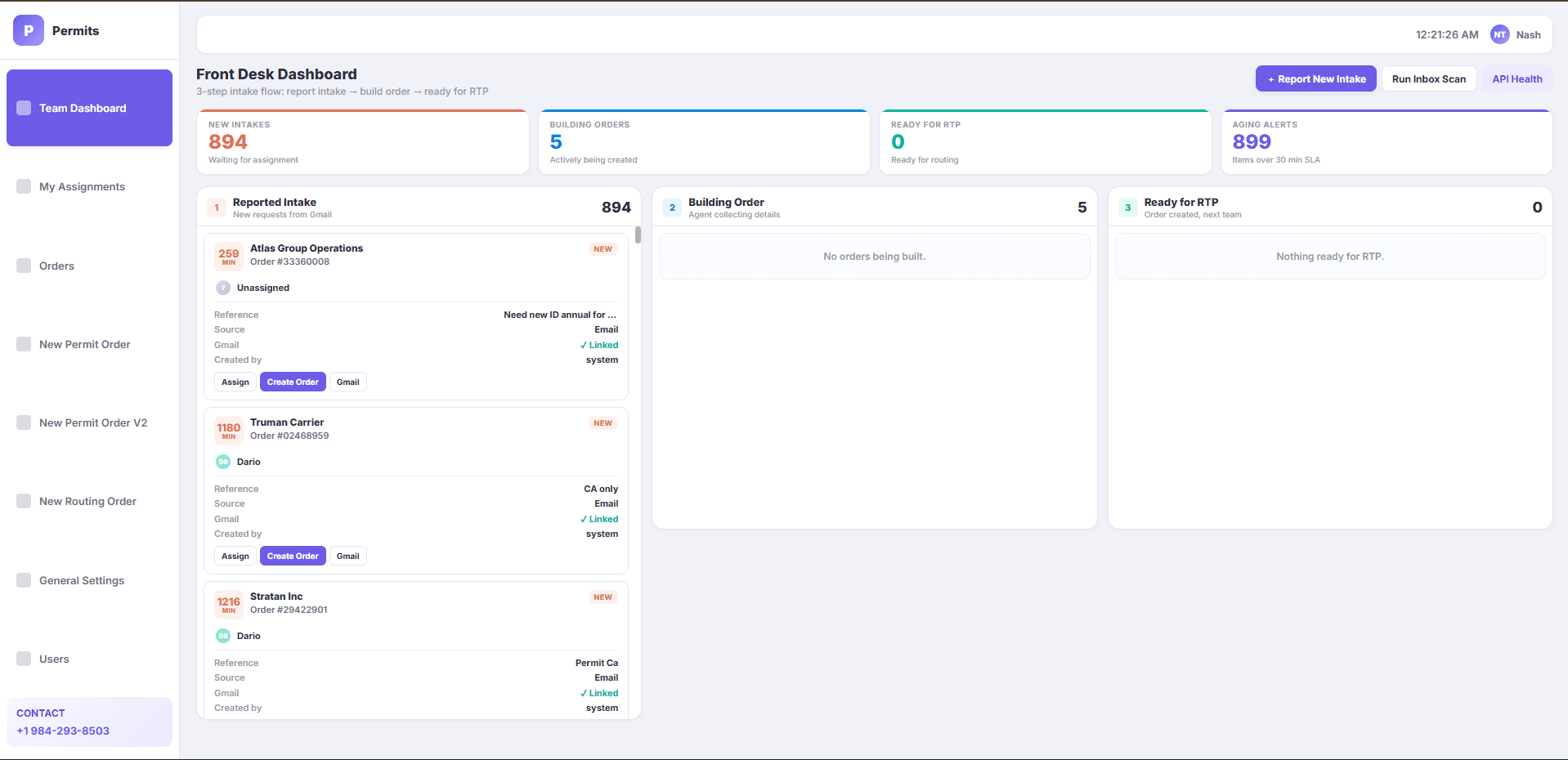
In the internship work, the front desk system monitored emails, classified real customer requests, retrieved prior conversations, and assembled order context before a human touched the case. With Arango underneath, every email could attach itself to the order, carrier, document, route, and historical exception it references.

How Arango helps

AutoGraph models the relationship between message, sender, order, load, document, and previous resolution. GraphRAG retrieves the right context instead of the nearest text chunk.

Front desk intake dashboard for heavy-haul operations
02

Document intelligence with lineage, not loose extraction

Permits, truck registrations, trailer registrations, certificates of insurance, IFTA documents, and rate confirmations are not just files. They are evidence. A heavy-haul company needs to know what was extracted, which source produced it, where it was used, and whether it still applies.

How Arango helps

Arango can preserve the extracted fields as documents, connect them to graph entities, and make every AI answer traceable back to the source document and relationship path.

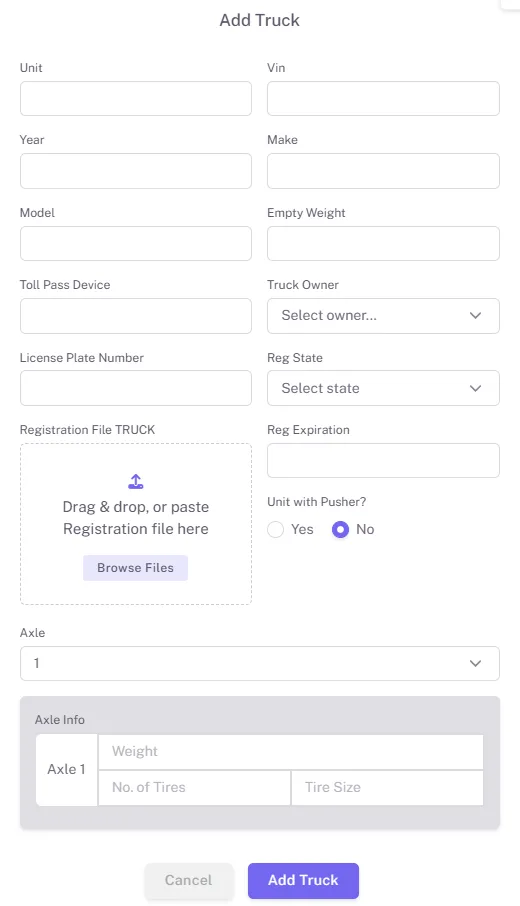
Truck registration extraction form
03

Tribal knowledge becomes institutional memory

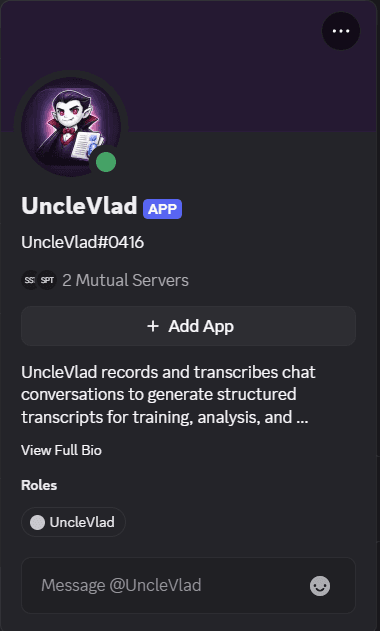
The Discord recording and transcript pipeline captured operational expertise that usually disappears after a call ends: why a permit was rejected, how a tricky state handles dimensions, which route pattern created a problem, or how a senior dispatcher thinks through an edge case.

How Arango helps

AutoGraph can cluster transcripts by natural knowledge domains, then Deep Search can retrieve the specific operational lesson when a similar order appears again.

Discord recording bot used for knowledge capture
04

Route approvals that explain themselves

Historical route reuse is valuable, but auto-approval should not be a black box. When a system says a route is safe to reuse, the operations team should see the previous successful moves, the permit conditions, the equipment profile, and the differences that still need review.

How Arango helps

Graph traversal can connect origin, destination, state segments, permit history, vehicle configuration, load dimensions, and exception records into an explainable approval path.

05

Order assistants that reason across operations

The order assistant built during the internship answered questions about routes, payments, load specs, restrictions, and legal context. In Arango, that assistant can become more reliable because order data, documents, regulations, and conversations are connected before the model responds.

How Arango helps

AQLizer and GraphRAG can translate plain English questions into structured graph and document retrieval over the same contextual data foundation.

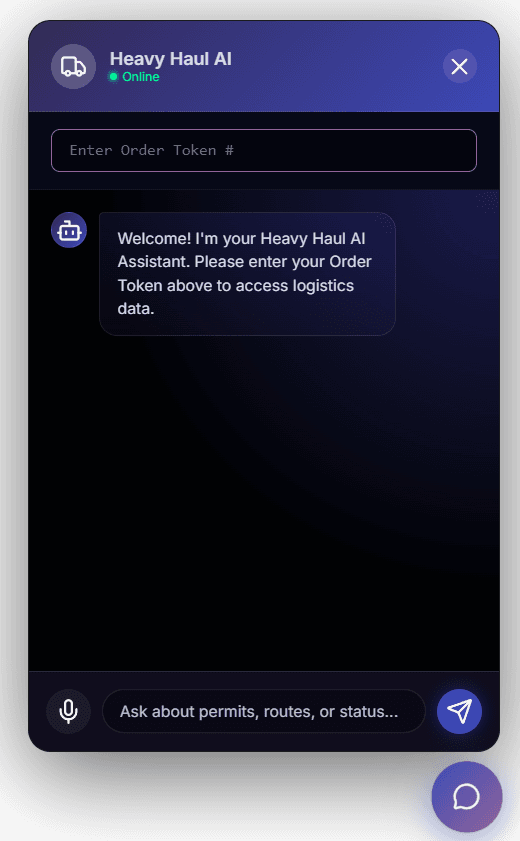
Order information assistant for heavy-haul operations
06

TMS partners get a cleaner integration surface

The TMS API work created a structured path for external systems to submit orders, contacts, carrier details, stops, dimensions, and documents. Arango could make that integration smarter by immediately connecting incoming payloads to existing carriers, prior orders, known documents, and compliance rules.

How Arango helps

Contextual Data Access through APIs, native drivers, and MCP tools lets agentic workflows use the same governed context that operational applications use.

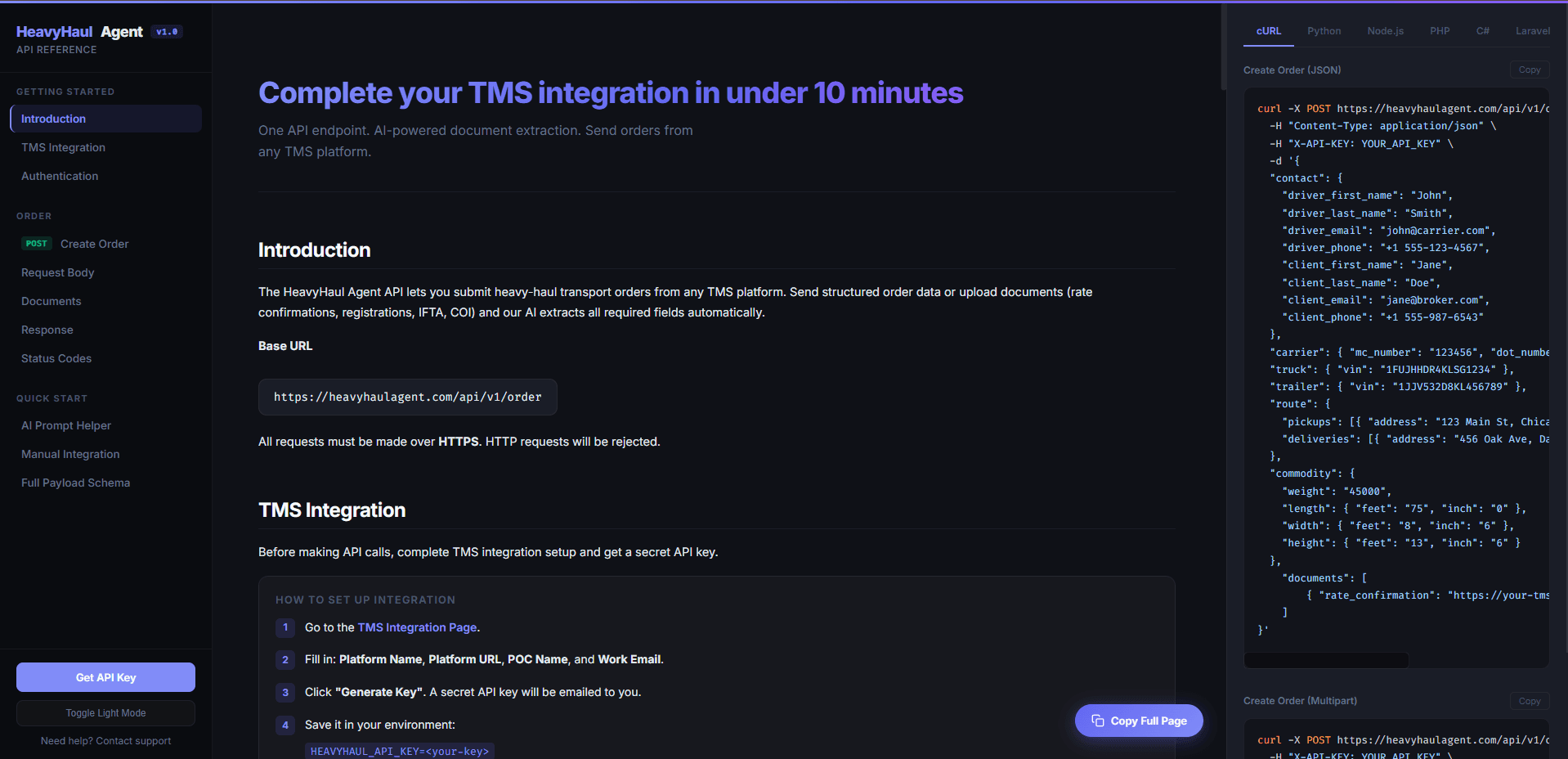
TMS API documentation with examples

Implementation blueprint

A practical path from today's tools to an Arango-powered context layer.

The strongest architecture would not ask operators to change everything on day one. It would connect the current work, preserve provenance, and let AI use the context as it becomes ready.

01

Ingest the operating record

Start with the systems already doing the work: order database, TMS API submissions, Gmail, uploaded documents, Discord transcripts, route history, estimator prompts, and state regulation references.

02

Let AutoGraph discover the domain shape

Heavy haul has natural clusters: permitting, vehicle credentials, load geometry, customer communication, route history, incident training, and state-specific compliance. Each deserves a retrieval strategy tuned to its complexity.

03

Use graph where relationships matter

Model the entities that operators already think in: order, load, truck, trailer, axle group, carrier, customer, route segment, state, permit, document, email, transcript, exception, and approval.

04

Use GraphRAG for questions that cross boundaries

A question like, "Can this load move through Ohio tonight?" needs dimensions, route, state rules, permit status, escort requirements, historical exceptions, and source evidence. That is a graph problem wearing a chat interface.

05

Expose context to people and agents

Dispatchers need dashboards. Managers need analytics. Agents need MCP tools and APIs. Permit specialists need source traces. Ada and the Graph Visualizer give humans a way to inspect and trust the connected picture.

What the operator gets

Answers with evidence, not just confidence.

In heavy haul, a confident answer can still be expensive if it is wrong. The useful assistant is the one that can say: here is the recommendation, here are the records I used, here is the relationship path, and here is what still needs a human decision.

Governed accessTraceable workflowsOne reusable context layer

Can order HH-2047 move through Pennsylvania tonight with this trailer?

Show the permit, route segment, load dimensions, prior exceptions, and source documents.

What changed since the last similar move?

Draft conclusion

For heavy-haul companies, contextual AI is not optional polish. It is operational leverage.

The companies that win in heavy-haul transportation will not be the ones with the flashiest AI demos. They will be the ones that turn their messy operational reality into a connected, governed, explainable knowledge layer.

Arango's AI Services make that practical. AutoGraph can organize the knowledge. ArangoDB can keep graph, document, vector, and search data together. Deep Search can retrieve across the relationships that matter. Ada can let humans explore the system without becoming database specialists.

Heavy haul is not a generic logistics problem. It is a relationship-dense, regulation-heavy, document-rich, exception-driven business. That is exactly the kind of environment where graph-native contextual AI can move from impressive to indispensable.

Extra points

10 additional blog post ideas for Arango and heavy-haul AI.

01

How AutoGraph turns heavy-haul permits, emails, and transcripts into an AI-ready knowledge graph

02

Why oversize-load compliance is a GraphRAG problem, not a chatbot problem

03

From tribal knowledge to institutional memory: building a searchable operations brain for transportation teams

04

Using ArangoDB to connect orders, carriers, equipment, routes, permits, and documents in one contextual model

05

Designing an AI front desk for logistics: email classification, thread memory, and human-in-the-loop routing

06

A practical graph model for heavy-haul route approvals and permit exceptions

07

How Ada could help dispatchers ask operational questions without writing AQL

08

Building traceable document intelligence for rate confirmations, COIs, registrations, permits, and IFTA forms

09

What a TMS integration API becomes when every payload lands inside a contextual data layer

10

The heavy-haul AI maturity curve: from automation scripts to governed agentic workflows